Offers
 Account
 Menu
Menu Favourite
 Basket



 Need Optical Advice?









Alastair Lockwood
Eye Health Advisor, Ophthalmologist and Eye Surgeon
Alastair Lockwood is an eye health advisor and surgeon who is passionate about trying to stop people going blind from glaucoma. His interest in research stems from undergraduate training at Cambridge University and clinical training at Oxford University. He completed an MRC funded PhD at the UCL Institute of Ophthalmology and Moorfields Eye Hospital. Dr. Lockwood has remarkable experience in performing eye surgery and prescribes eye care products and dry eye treatments to his patients.
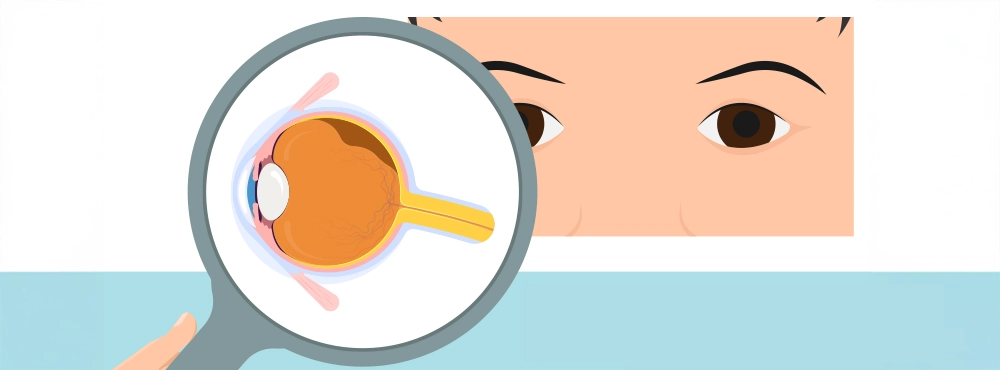
Posterior Vitreous Detachment: Causes, Symptoms and Treatment
Posterior Vitreous Detachment or PVD is an age-related eye condition where the vitreous, a gel-like substance inside the eye, separates from the retina. The vitreous fills about 80% of the eye and helps maintain its shape while allowing light to pass to the retina, which is responsible for processing visual information.
Angle-Closure Glaucoma Explained: Causes, Symptoms, Treatment and Prevention
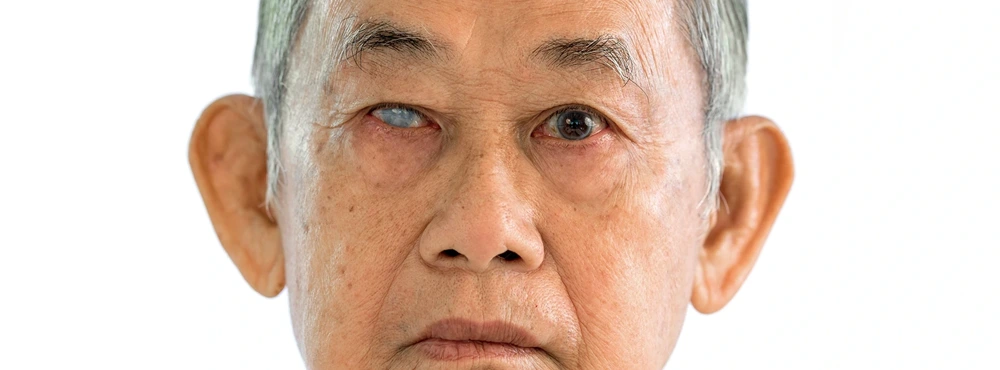
A key part of the mechanism in angle-closure glaucoma (sometimes referred to as narrow-angle glaucoma or closed-angle glaucoma) is the movement of the iris (the coloured part of the eye), which blocks the eye’s drainage pathways. In this condition, the fluid (aqueous humour) continually produced to maintain pressure cannot leave the eye, dramatically increasing intraocular pressure (IOP). If left untreated, the optic nerve degenerates quickly, leading to irreversible vision loss.

Peripheral Vision Loss (Tunnel Vision)
Your eyesight peripheral vision refers to your side vision. If you lose this, you will struggle or no longer be able to see objects that are out to the side, or the corner of your eye and aren’t directly in front of you.
Ocular Hypertension: What Causes High Eye Pressure?
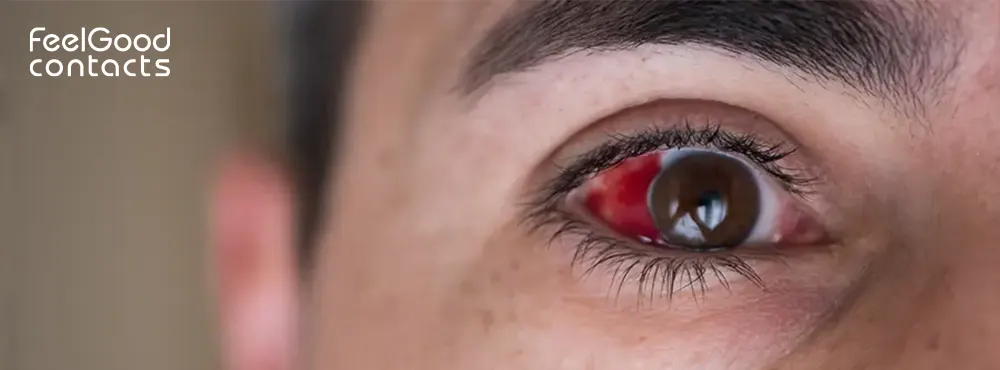
Ocular hypertension also known as high IOP (intraocular pressure) is a medical condition where the pressure inside your eyes is higher than the ‘normal range’ in the population. While you might not feel or notice any symptoms however in 10% - 18% of unchecked ocular hypertensives, this condition can lead to glaucoma. Read the article below to learn the causes, risks, treatments and ways to manage ocular hypertension.

What is Myopia?
Myopia is one of the most common refractive errors, causing nearby objects to appear clear and objects in the distance to appear blurry. For example, you may find it easy to focus on close objects, such as reading a book, but find it difficult to see road signs at a distance. This happens when the size of the eye is too large, causing light rays to focus in front of the retina as opposed to on it.
What is Astigmatism?
Alongside myopia, hyperopia and presbyopia, astigmatism is one of the most common refractive errors that affect vision. It is an eye condition caused by the curvature being different in different planes for the cornea, lens or both. The British Contact Lens Association (BCLA) defines astigmatism as a ‘focusing disorder of the eye that distorts vision’. If not corrected in time, the quality of vision can get worse. Learn in this detailed guide what causes astigmatism, its various types, symptoms, diagnosis, treatment options and more.
Branded Glasses and Sunglasses Dupes
Designer frames are incredibly popular, but not everyone has the budget to afford a designer pair. The answer – you can opt for designer dupes that come without a designer price tag. Feel Good Contacts offers exact copies of glasses and sunglasses by top designer brands through their in-house brands, Feel Good Collection and EARTH.
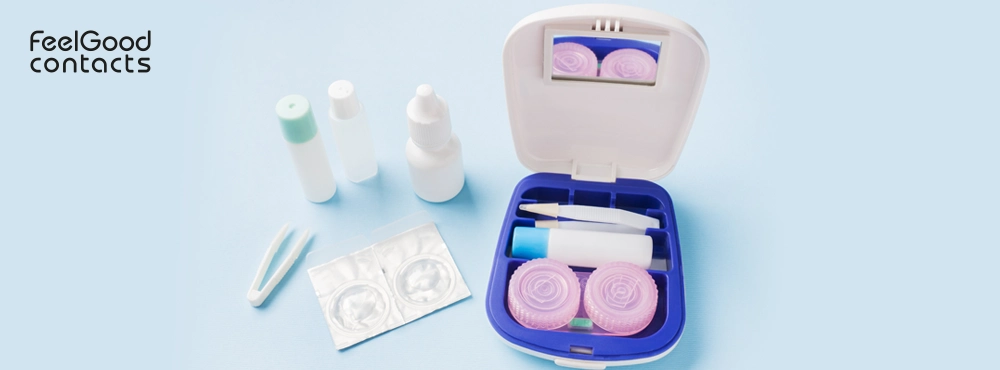
How to Travel with Contact Lenses?
Lenses have made life easier for millions of people. They’re lightweight, comfortable, and give you the freedom that prescription glasses sometimes can’t. Whether you’re heading to work, the gym, or off on a holiday, lenses can make your life more convenient.
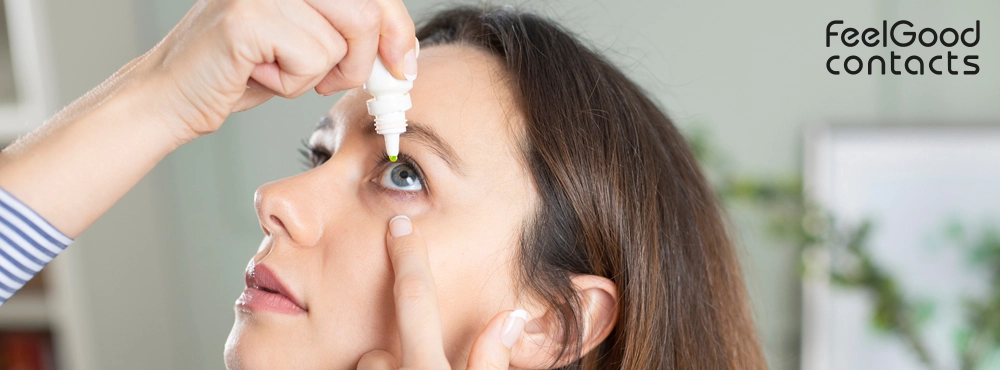
Eye Drops for Contact Lens Wearers with Dry Eyes
Many contact lens wearers experience dryness or discomfort in their eyes. This condition is known as dry eyes or dry eye syndrome. If you’re experiencing the same, eye drops can be a good option for you.
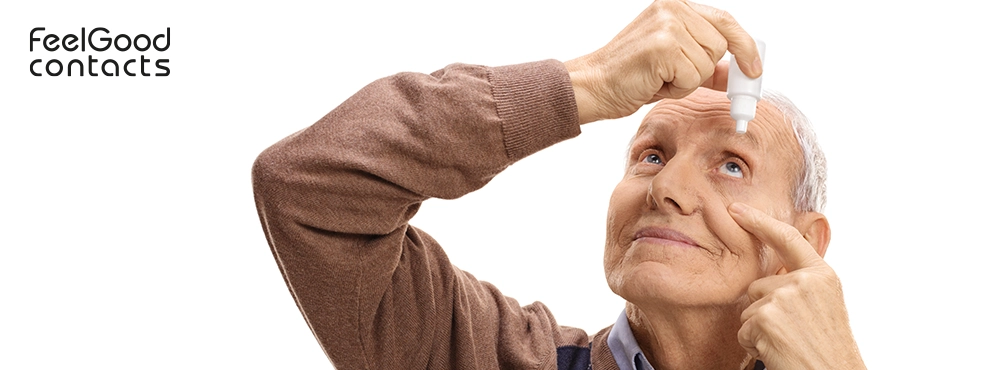
Eye Drops for Age-Related Dry Eyes
Dry eyes aren’t just uncomfortable, they can also cause blurry vision, making your eyes feel tired and also affecting the quality of life. One of the reasons can be age-related dry eyes. As we get older, the likelihood of experiencing dry eyes increases due to a natural decline in tear production.
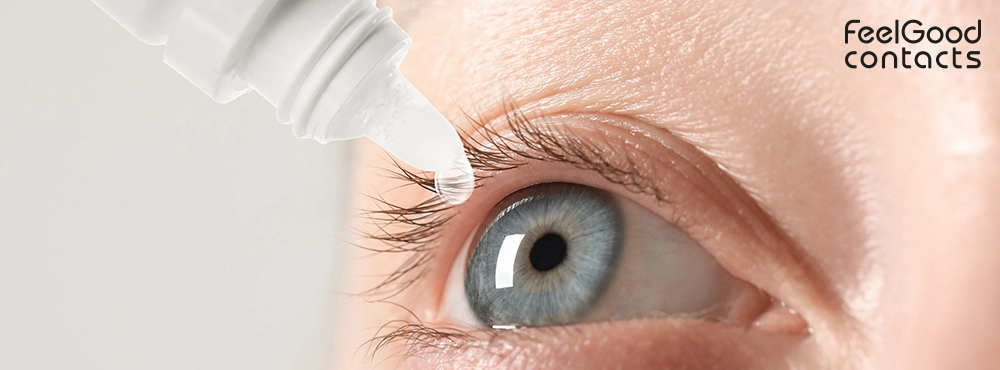
Best Eye Drops for Dry and Tired Eyes Caused by Screens
Do your eyes feel fatigued, dry, or irritated after spending long hours in front of digital screens? You’re not alone. According to a survey published by the Association of British Dispensing Opticians (ABDO), nearly 89% of professionals recognised digital eye strain (DES) as a significant concern.
Dry Eyes Caused by Allergies: Which Eye Drops Work Best?
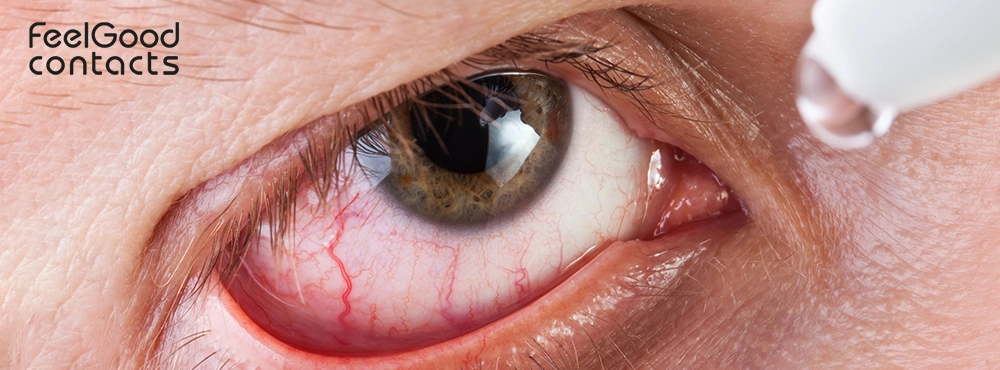
Allergies can be caused by both outdoor and indoor allergens, like dust mites and pet dander. They can lead to many eye-related symptoms, including dry eyes. To reduce the symptoms of allergy-induced dry eyes, people often use over-the-counter eye drops for eye allergies. Different eye drops have different ingredients to treat specific issues. For example, eye drops for dry eyes are different from eye drops for eye allergies. So, it’s important to choose the best one for your needs.

Glasses after cataract surgery
Cataract surgery is a common and highly effective treatment for when vision is noticeably affected by the clouding of the natural lens inside your eye. This procedure, which involves removing your natural lens and then inserting a clear artificial one, has revolutionised modern medicine and allowed millions of people to regain their vision and improve their quality of life. However, despite the remarkable success of the surgery, we are not yet at a technological stage where artificial lens insertion will have the same focusing capabilities as someone younger than the age of 40. We cannot yet change the lens shape within the adult eye. What are the options, therefore, in terms of type of lens insertion? Are glasses still needed? If yes, what will be the best glasses after cataract surgery?
Top tips for contact lenses and allergies
If you wear contact lenses and also suffer from allergies, you may find it incredibly difficult to cope during hay fever season. You may experience a host of uncomfortable symptoms, including dry eyes, redness, itchy eyes, puffiness and more. This can be enough to put you off wearing contact lenses full stop. Fear not however, this article will take you through our top tips for contact lenses and allergies..
Congenital cataracts
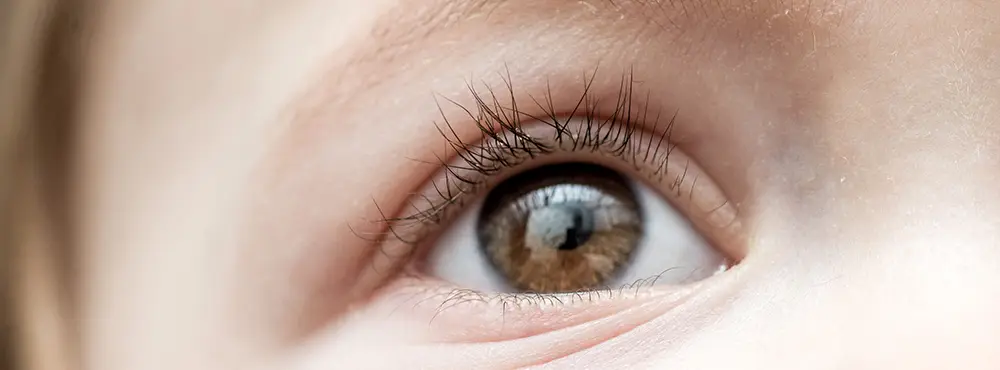
Congenital cataracts (or childhood cataracts) are cataracts that occur in children and are responsible for nearly 10% of all vision loss in children worldwide. They cause the lens inside the eye to go cloudy, giving the eye a milky appearance and potentially causing visual impairment.